


Constipation is a gastrointestinal disorder in which bowel movements slow down and the frequency and volume of defecation decrease. Even when defecation occurs, the stool is usually hard and dry. Since there is no universal standard for defining constipation, an individualized assessment is generally the most appropriate diagnostic approach. A decrease in the amount of feces or a reduction in defecation frequency compared to your furry friend’s daily routine can be considered constipation. This is because breed, age, and most importantly, the feeding model affect stool frequency, consistency, and volume. When everything else is normal, a decrease in frequency, consistency, and volume should be evaluated as constipation. Compared to diarrhea, constipation is less alarming but should not be overlooked. In this article, let’s take a closer look at constipation. I hope you enjoy reading as I list the causes and solutions side by side.
In most cases, the presence of a single symptom does not arise from a single cause; this is precisely what makes medicine in biological sciences so complex. Two plus two does not always equal four. However, constipation may sometimes result from closely related triggering causes, and once that cause is eliminated, constipation resolves as well. Of course, there may also be multiple indirect causes. Medications that can cause constipation (antihistamines, diuretics, narcotic analgesics, and sucralfate) should not be overlooked. If you are undergoing active medical treatment, constipation may resolve once medication use ends. Before listing diseases that cause constipation, there is another often-overlooked cause: fear, anxiety, and other behavioral conditions that alter normal intestinal motility. Especially stress, just as in humans, can be a cause of constipation in our furry friends. Let us not forget that the tension you experience and the environment you live in can also affect them.
How should the duration be monitored? Generally, if these changes—manifesting as decreased stool volume and frequency—persist for more than 10 days, constipation is considered chronic. Hormonal diseases (hypothyroidism, hyperparathyroidism), insufficient exercise, and reduced physical activity—in short, any physical or hormonal dysfunction that causes the body to slow down—can slow stool passage. Other exceptional cases occur when large, indigestible foreign bodies cause intestinal obstruction; in such cases, the risk is serious and often requires surgical or interventional treatment. If you suspect constipation due to these causes, consult your veterinarian without delay.
Defecation anatomically occurs in dogs and cats by positioning the hind limbs at a certain angle. In many elderly (geriatric) pets, joint problems (such as painful conditions like osteoarthritis) prevent this posture, leading to difficulty defecating and consequently reduced stool output. This is not constipation per se, but it can pave the way for constipation over time. Another serious issue, regardless of age or breed, is anal sac inflammation. Inflamed anal glands around the anus swell and create a narrowed passage for stool. This not only causes painful defecation due to inflammation but also leads the pet to avoid defecation altogether. As an advanced complication, megacolon—an enlargement of the large intestine—may develop. Anal sac inflammation and examinations should be monitored at regular intervals and kept under control. Especially after the age of 10, annual colonoscopic examinations are important for detecting tumors or masses in the colon or rectum, as large intestinal tumors do not always present with diarrhea but may also manifest as chronic constipation.
And while all this continues, what did we forget in constipation, a digestive system disorder? Of course, we did not forget—now it is time to talk about it: Nutrition! Improper nutrition!
As we mentioned in the opening lines, constipation is characterized by dry and hard stools. The most accurate interpretation of this is insufficient water intake. Dehydration and low water consumption cause stools to become “hard and dry” within the digestive tract, even when everything else is normal. Especially during summer months, heat stress reduces water intake while increasing water loss. We should pay closer attention to the freshness of water in bowls and increase the frequency of changing it.
Now let’s talk about nutrition…
We mentioned water consumption, but what about the water content of food? Drinking water is important, of course, but the water content of foods also plays a significant role in constipation. In this regard, consuming dehydrated or dry kibble can leave the intestines dehydrated, not only affecting the kidneys but also bowel function. The primary nutritional recommendation and support is fiber-rich feeding. Fiber helps regulate food transit and, moreover, most fiber-rich foods (such as green vegetables) contain a high amount of water. Just as in humans, one of the greatest benefits of consuming fiber-rich foods is improving both water and stool volume.
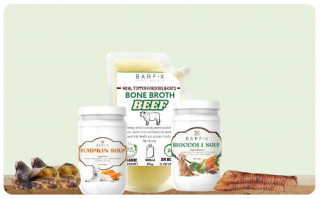
For example, pumpkin! In addition to being an excellent source of fiber, it is also rich in vitamin C, magnesium, and potassium. Are we ready? Raw pumpkin, in particular, contains approximately 86% water. However, even if our cat—who must be fed meat-based diets—experiences constipation, maintaining protein balance remains indispensable. Although constipation symptoms and defecation can be explained by countless causes, we cannot overlook dysbiosis. An imbalanced gut microbiota and missing probiotics at the table can trigger many pathologies. After a brief reminder about supporting the microbiota and using probiotics, we can make a warm transition to the feeding model. Yes, fiber is important, but we should not forget the water content of protein.
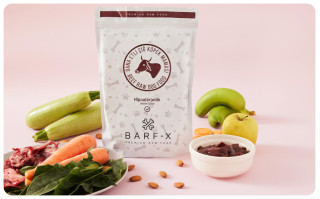
What do we mean by the water of protein? I heard you ask—let me explain: BARF feeding!
“BARF” stands for “Biologically Appropriate Raw Food.”
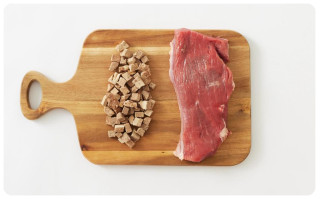
With the correct proportional combination, we deliver the health-boosting water derived from both meat and vegetables to the digestive system without loss. In the BARF diet, stool reaches its natural consistency much more easily. Moreover, not only water but also live antioxidants from raw vegetables help protect the intestines from oxidative stress.
Constipation in long-haired dog breeds can be associated with many factors, ranging from fecal passage obstruction due to hair matting around the anus to the ingestion of hair through licking, leading to hairballs within the intestines. Putting aside all the causes we mentioned—and many we could not—let us not forget the essentials: adequate water intake, the correct proportion of fiber-rich foods, and most importantly, never neglect regular exercise.
Ege ÇATALKAYA
Specialist Veterinarian